 Tribelands
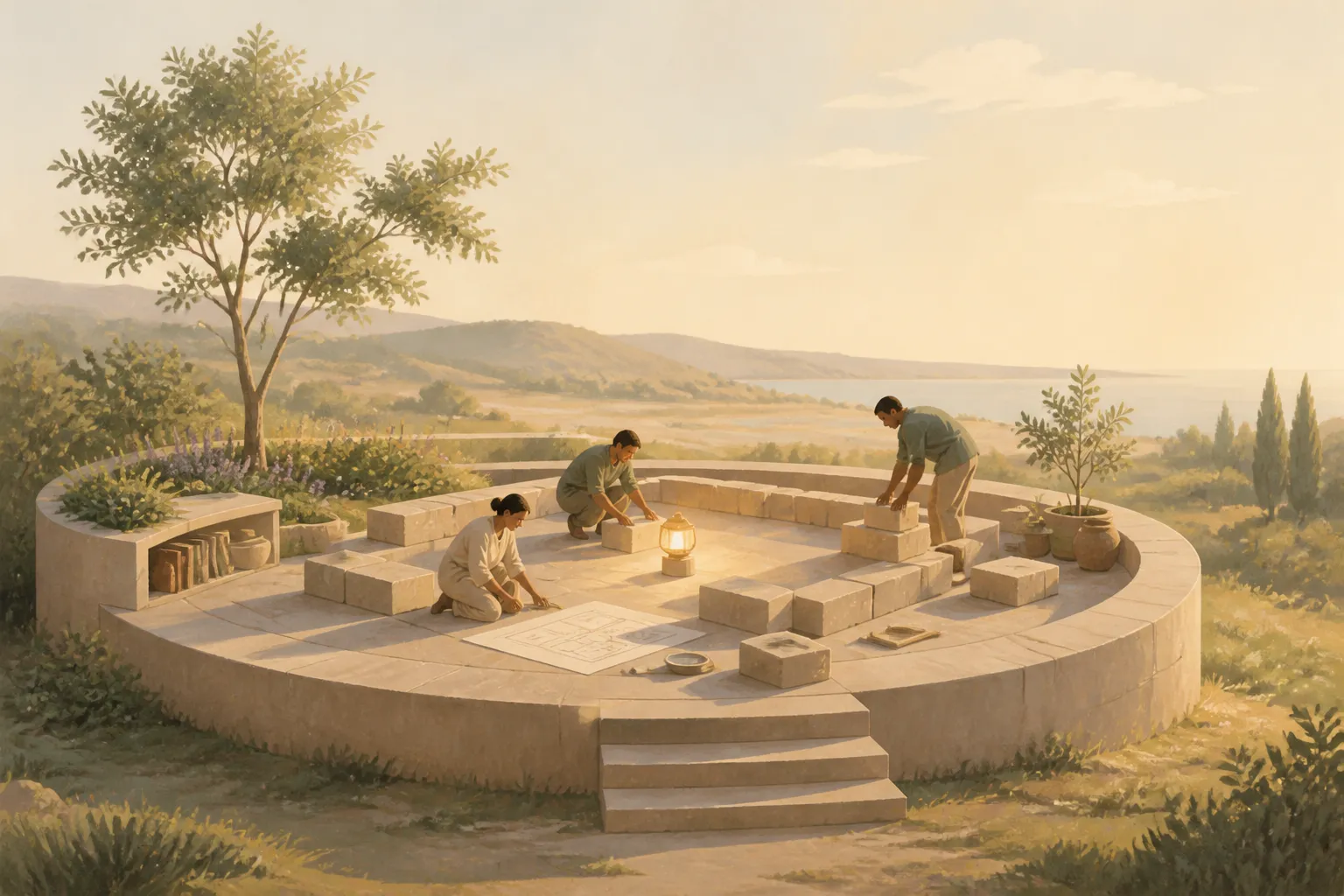
How a community is built here
You bring the meaning. The intelligent core builds the rest with you.
Most community platforms hand you an empty space, a set of tools and a hierarchy to administer. Tribelands starts with a conversation, and with an older idea: a gathering on common ground, guided rather than governed. You say what the community is about, who it is for and how it should sound, and you hand over whatever you already have: notes, articles, a book, a course, a list of links. From that, the community's own AI drafts its foundations with you and reads them back the way a new member would hear them.
- The foundations
- Its purpose and voice, written down once, so everything the AI does afterwards sounds like you.
- The first articles
- Drafted from your material in your voice, narrated, ready for the feed.
- The path or course
- The learning spine: steps in the order that works, a short review between each.
- The discussion groups
- Discussion groups created around the subject, each with a plain-words charter, with the AI present to keep them useful and kind — never to rule them.

After the foundations
A community that largely runs itself, with you in charge
The feed is where everything lands: a knowledge base, a podcast and a news feed your members take part in, and one that answers most questions itself — posts and comments answered from your material, researched posts with sources keeping it current when you switch research on, and a stray post moved kindly to the guide or the right discussion group rather than deleted or argued with. Behind it, the guide created and grounded in your material during onboarding answers members at an advanced level and drafts documents with them; the path and courses land with coherence through AI reviews between steps that consolidate the learning and conversations that find and fill the gaps; every discussion group has a helpful manager and a gentle moderator present at all times; articles are written with you from a brief; and what reaches your inbox has been read and sorted first, so you answer only what needs a person.
Your admin is one place, organised by what the community does, with help on every page that explains what each switch does and narrates it if you would rather listen. Nothing about running the community needs anyone to be contacted.
What you keep
Your members, your money, your community
- Your members
- They join you and pay you, through your own payment account. Open to anyone or by invitation; free and paid levels, bundles, one-off products when you are ready.
- Your data
- A database of its own, separate by construction, exportable on request. Deleting a community is dropping a database.
- Your brand
- Two colours, a typeface, a mark and your pictures. The layout, the type and the imagery rules are the platform's, so it always reads well.
Start here
Tell the Guide what you have in mind
A few minutes of conversation is the brief. From it the platform drafts your community — its foundations, first articles, discussion groups, guide and a pricing shape — and sends you the proposal to read in your own time. Nothing is made until you say so.
What is the community about, and who is it for?
What happens next
Within the hour: a link to your proposal, rendered as the community would look. Read it, change what you like, accept — and the platform makes it while you watch.
The foundations it drafts are an outline. Where your brief gave nothing to ground a section it says so plainly; those are the questions your Guide will put to you first.
Or try it first — the hosts' own community is open, as a member and as a look around a real admin.